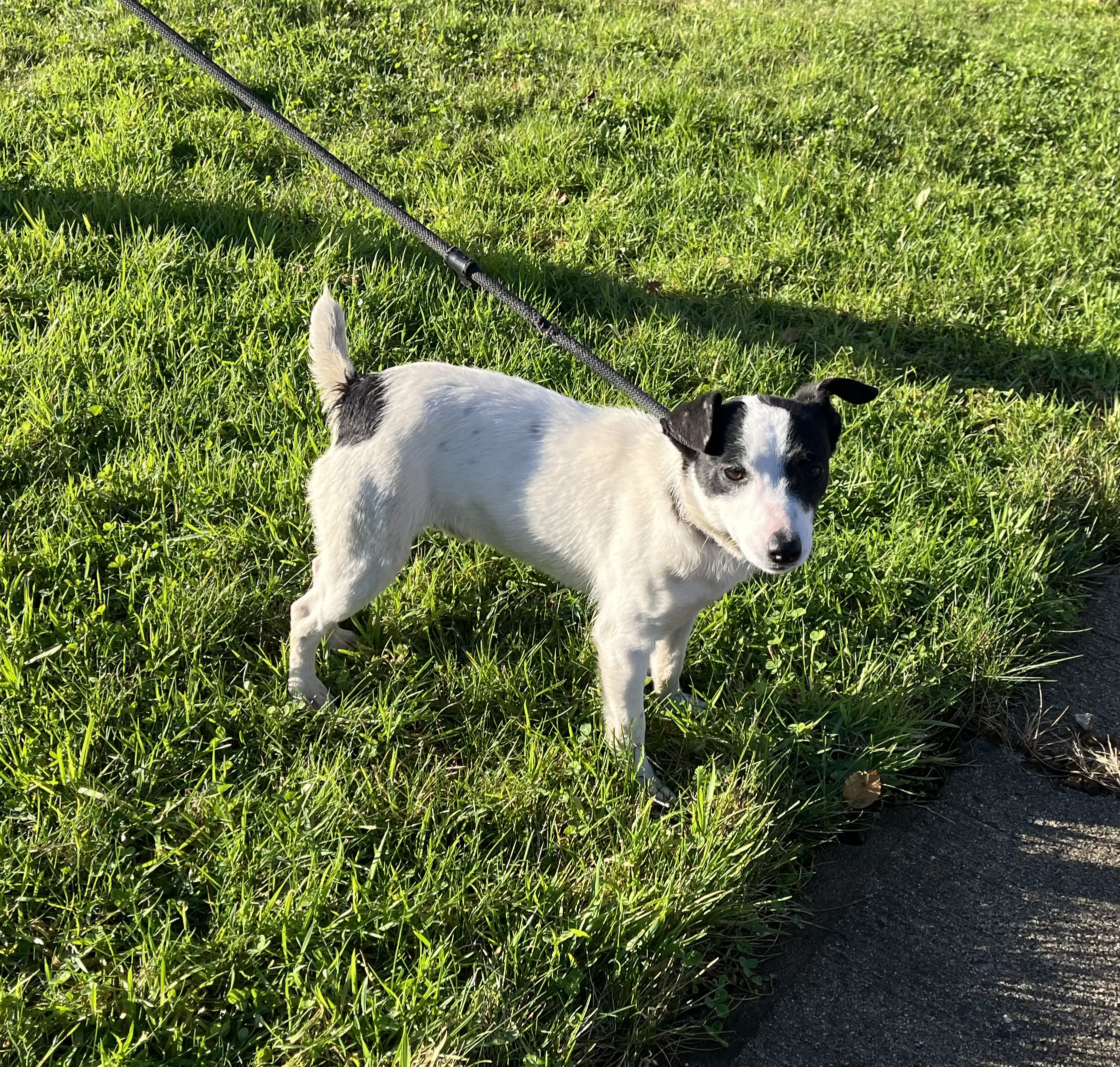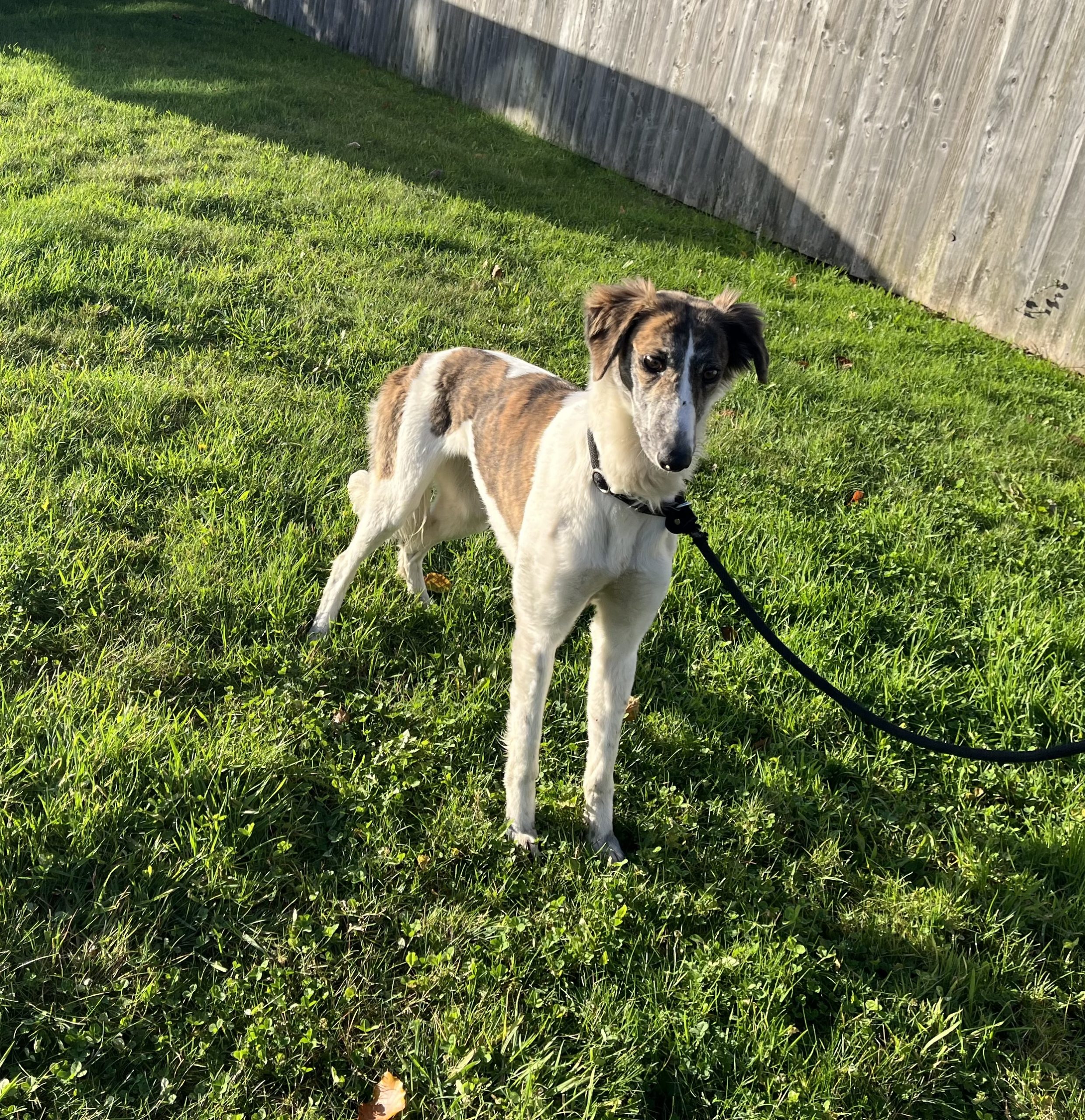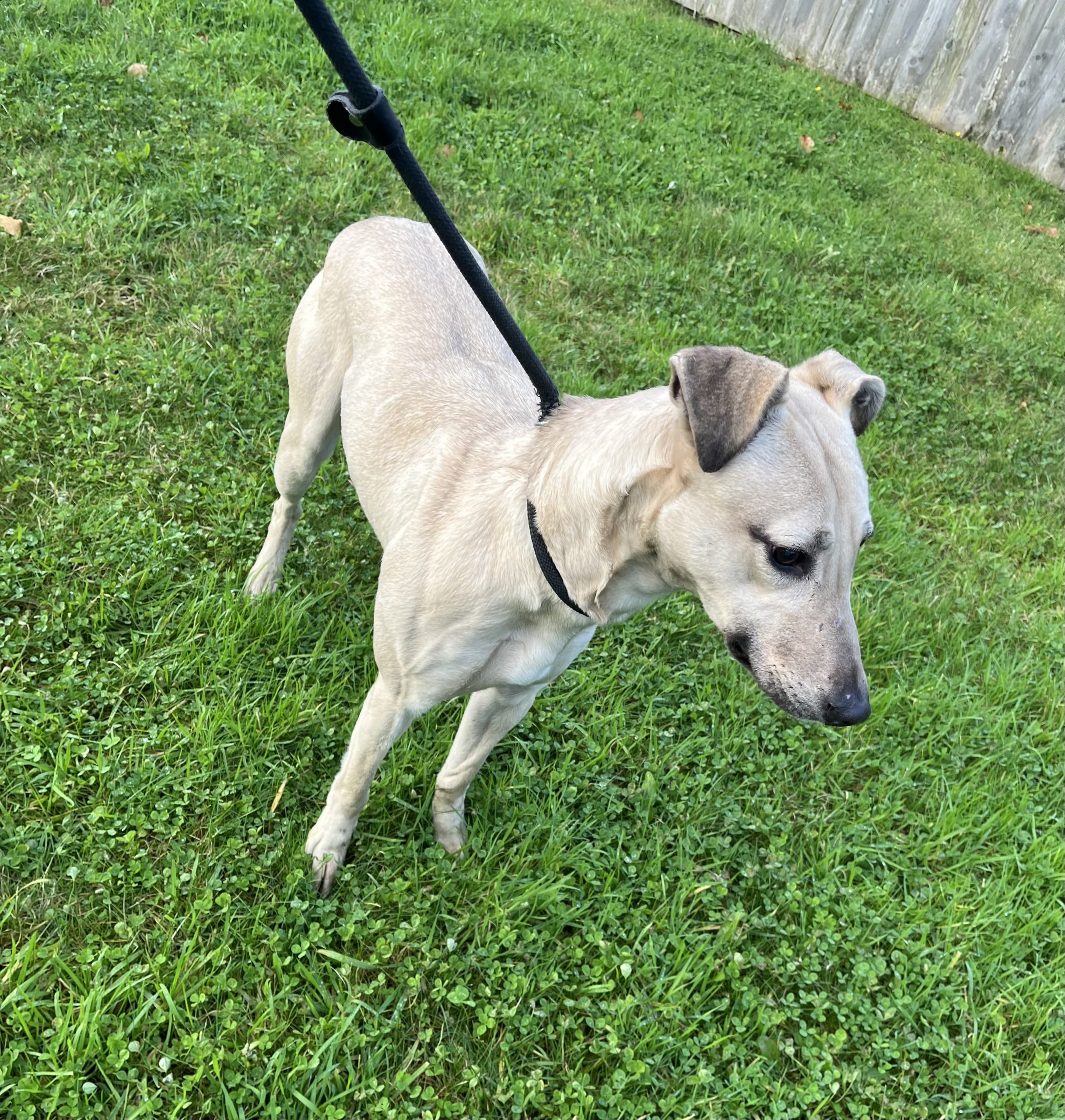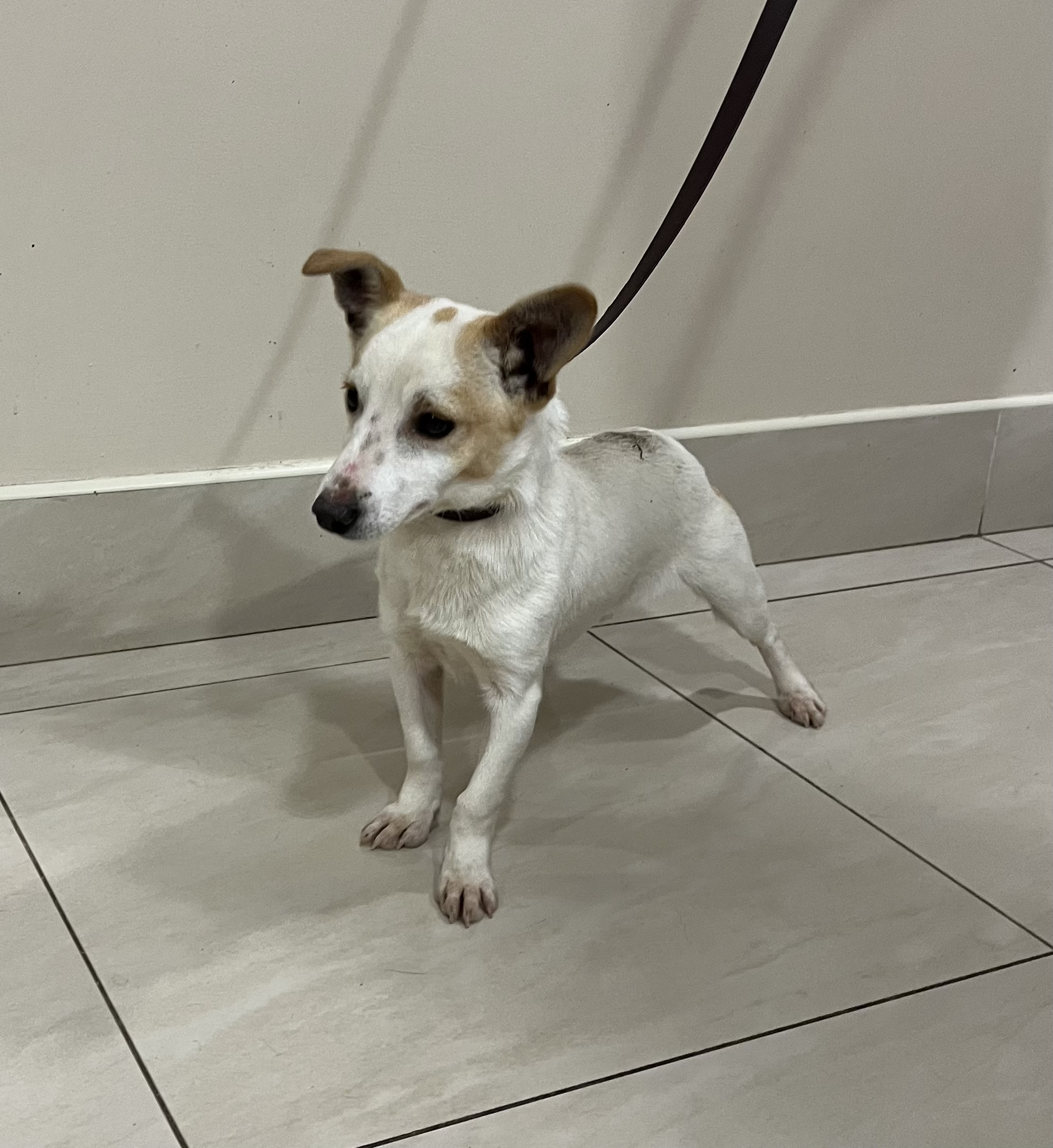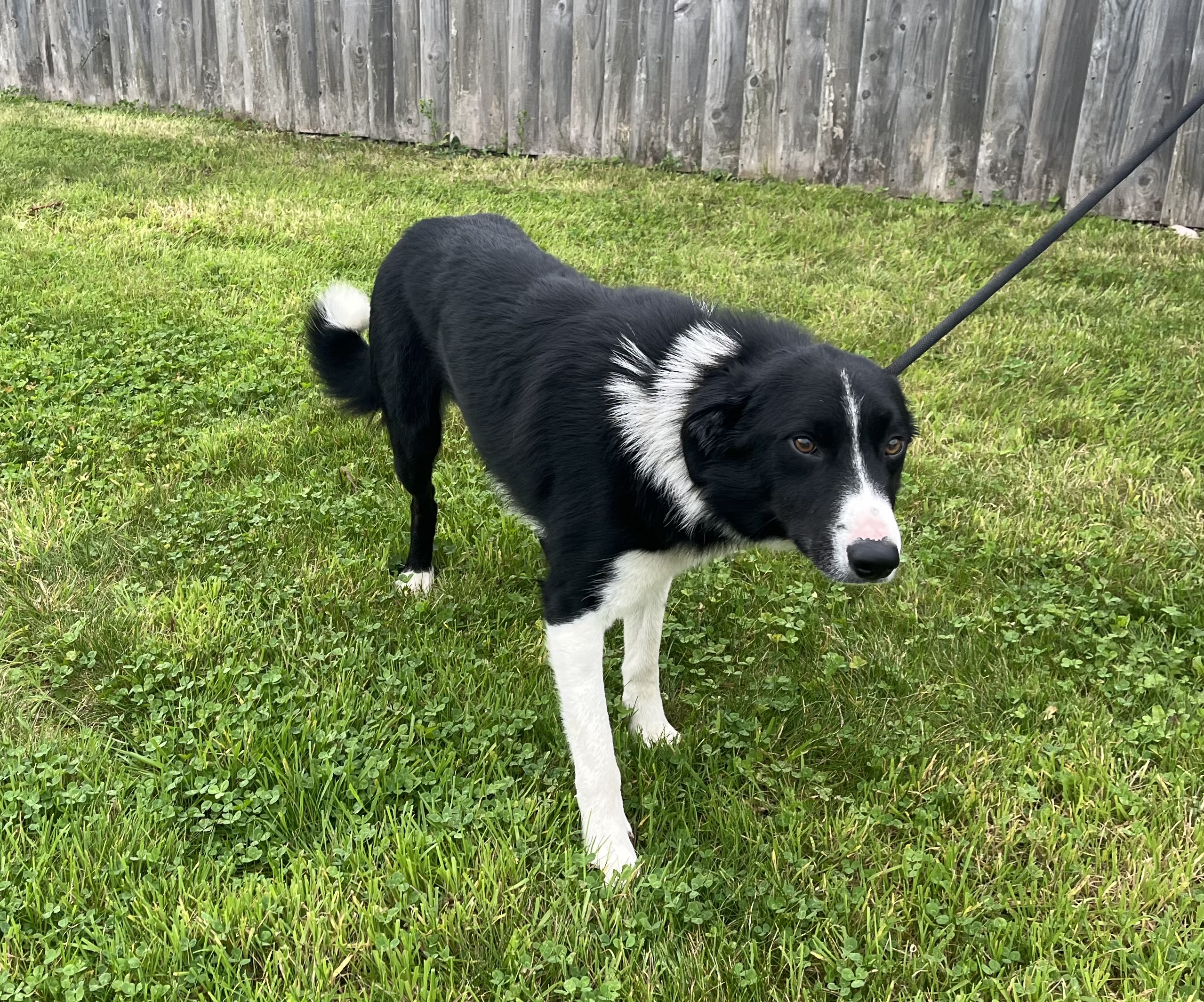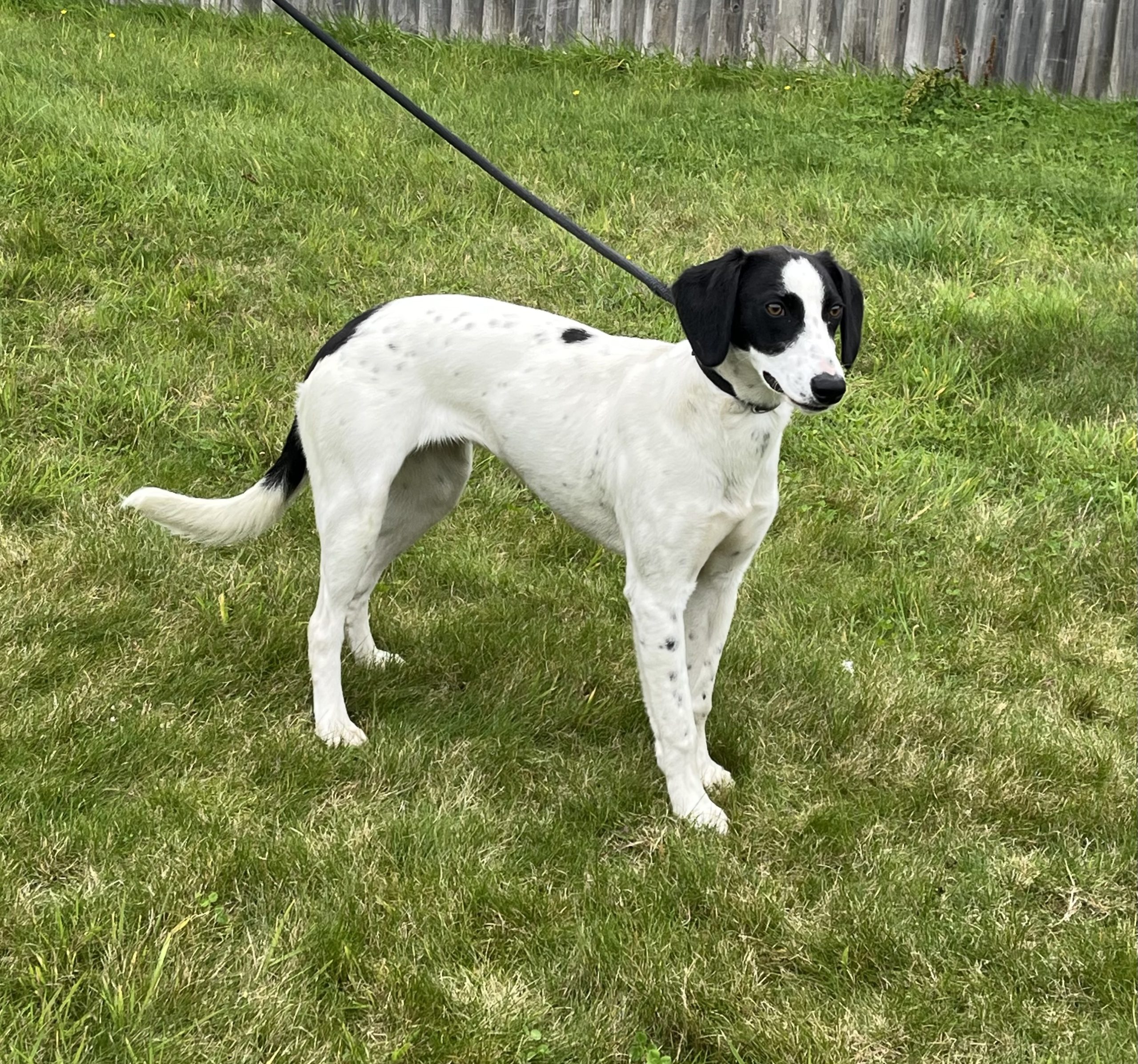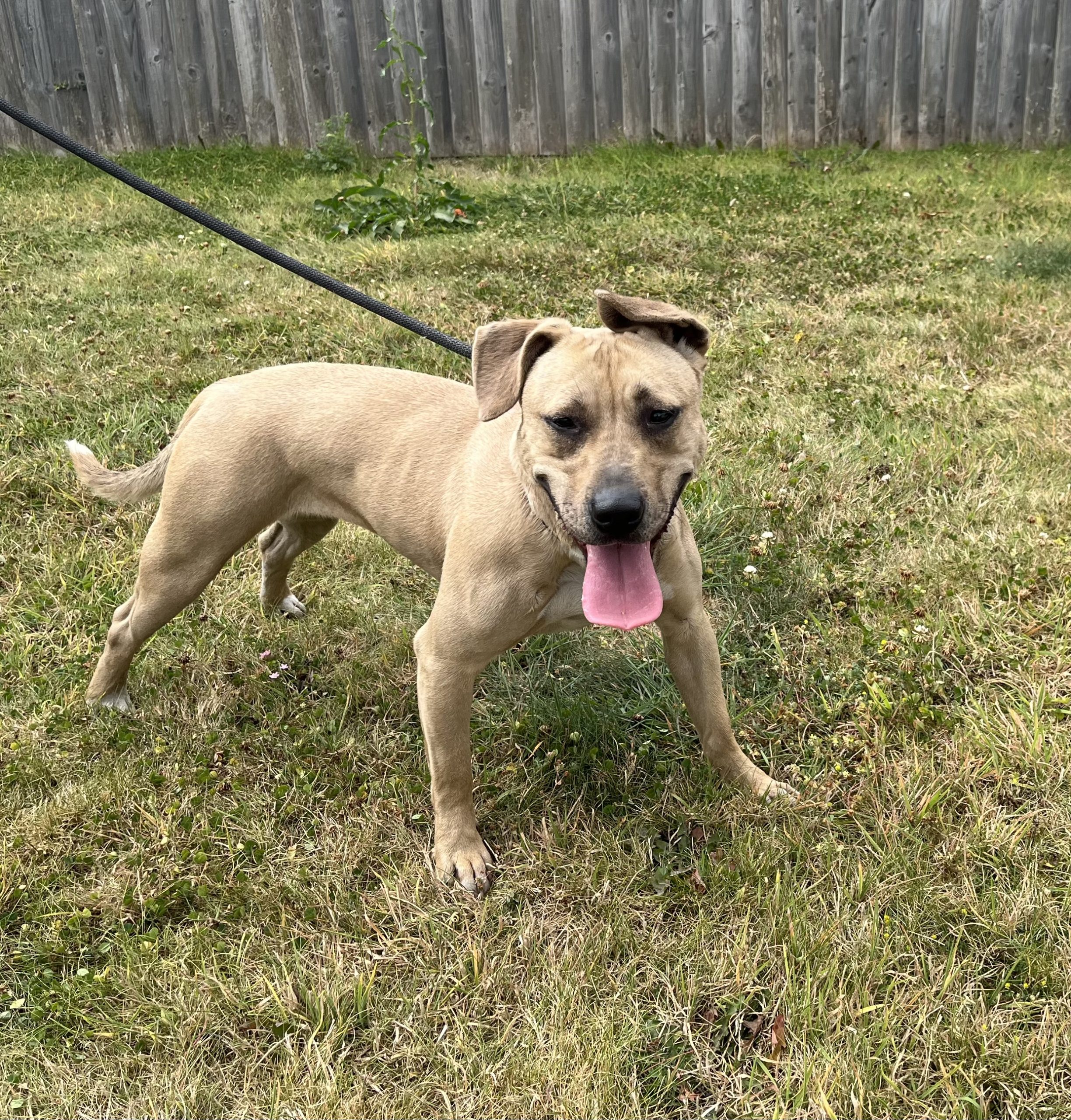

Wexford Dog Rehoming Centre
Find the right home
We rehome pets with suitable owners throughout the South East. Our aim is to ensure all pets in our care are taken care of with a professional team dedicated to their welfare.
How Electronic Dog Watches Improve Safety for Rehomed Dogs and Prevent Loss
Bringing a rescue dog home is a joyful moment — and also a moment that comes with worry. New sights, sounds, and stress can cause newly rehomed dogs to bolt or become lost. Electronic dog watches and GPS pet trackers are practical tools that help adopters keep their companions safe during that critical adjustment period.
Introduction — a short story to start
When Leo arrived from the Wexford Dog Rehoming Centre, he explored every corner of his new home with careful curiosity. On his second week, a sudden thunderstorm spooked him and he darted through a gap in the fence. Leo’s adopter checked their phone — the GPS watch on his collar showed his exact location two streets away. A quick call later, Leo was back and safe. That quick recovery transformed a stressful night into a reminder that the right technology can be a lifesaver.
The growing need: why shelters and adopters are turning to trackers
Shelters and rehoming centres increasingly recommend tracking devices to adopters. Newly rehomed dogs are more likely to run or get disoriented: they are learning routes, scents, and people for the first time. A small device on the collar reduces the time between escape and recovery, which in turn lowers the chances of injury, theft, or permanent loss.
What exactly is an electronic dog watch?
An electronic dog watch (also called a pet GPS watch or smart pet tracker) is a wearable device that attaches to a collar or harness. It typically communicates with a smartphone app and provides:
- Real-time GPS location data
- Bluetooth proximity sensing for short-range tracking
- Geofence (safe-zone) alerts
- Activity and health monitoring (steps, rest, heart-rate on some models)
Why rehomed dogs benefit most
The first 4–8 weeks after adoption are the most vulnerable. Reasons include:
- Stress or fear in unfamiliar environments
- Curiosity that leads to wandering
- Flight responses to loud noises or sudden changes
During this window, an electronic watch provides immediate location data and behavior signals so owners can respond quickly and appropriately.
How to choose the right electronic dog watch — key features to look for
Not all devices are equal. Focus on these essentials:
1. GPS accuracy and network coverage
Look for devices that offer reliable GPS and fallback to cellular networks where available. In rural areas, confirm the carrier coverage for the watch’s SIM or subscription service.
2. Battery life and power management
Typical GPS watches range from 24 hours to several days of battery life depending on reporting intervals. Choose a device whose battery life fits your routine; long trips and frequent monitoring need longer endurance.
3. Durability and water resistance
Dogs swim, roll in mud, and play in rain. A device with a robust case and an IP67+ rating will survive most adventures.
4. Comfort and fit
The device should be lightweight and sit securely on a collar or harness. If it rubs or bounces, a dog may try to remove it.
5. App usability and alerting
The smartphone app should provide clear alerts (escape, low battery, movement) and an intuitive map view. Geo-fence setup must be simple to use.
Step-by-step use: set up and daily routine
Quick start: choose → fit → train → monitor → act. Below is a practical routine most adopters can follow.
Step 1 — Choose and prepare the device
- Read the manual and activate the SIM or subscription.
- Set update intervals: more frequent updates give better tracking but reduce battery life.
- Create an account and add emergency contact details.
Step 2 — Pair it with your phone and set geofences
Use the companion app to pair the watch, set a “home” safe zone, and add secondary safe zones such as a yard or regular park. Enable push notifications for boundary breaches and low battery.
Step 3 — Introduce the watch to your dog
Let your dog explore the device off-body first (sniffing). Then attach it for short sessions, reward with treats, and increase wear time gradually so the dog becomes comfortable.
Step 4 — Monitor activity and location
Check daily for battery level and recent location updates. Use activity data to notice unusual restlessness that can precede an escape attempt.
Step 5 — Respond quickly to alerts
If you receive a breach or movement alert, act immediately: call your dog’s name, check the last known heading on the map, and consider calling local shelters if the signal is weak or drops.
Common mistakes and how to avoid them
- Relying only on the device: Technology helps, but microchips, visible ID tags, and training remain essential.
- Neglecting battery checks: Set a weekly charging routine and test that alerts are working.
- Poor fit: Adjust straps so the device sits firmly without chafing.
- Ignoring coverage: Know your area’s cellular/GPS performance before relying on a tracker exclusively.
Real-world example: a quick recovery
A rehomed spaniel slipped through an opening near a busy road. The adopter received a geofence alert and used the live map to follow the dog’s last direction of travel. Within 12 minutes the dog was located hiding under a hedge — far faster than a manual search would have been.
Bonus: additional safety measures every adopter should use
- Microchip and register your contact details.
- Secure fencing and gate latches.
- Use a harness and short leash during early walks.
- Introduce new places slowly and avoid high-stress events (fireworks, big crowds) in the first weeks.
A note about cost and luxury choices
Most users will find a dedicated GPS pet watch with a modest subscription meets their needs. Function matters more than fashion when it comes to recovery. That said, people choose to express affection in different ways — some owners prefer luxury items for their pets. If you want to make a flamboyant statement, you could even choose to purchase a high-end timepiece for your dog — or a top-tier superclone watches replica as a playful accessory. This is of course optional and cosmetic; it does not improve tracking performance but can be a fun way to pamper a pet.
FAQs
Are electronic dog watches safe for pets?
Yes. Devices use low-power radio transmissions similar to mobile phones and are designed to be safe and comfortable.
Do pet GPS watches work in remote or rural areas?
Coverage depends on GPS satellite visibility and the device’s cellular network. In very remote regions, tracking accuracy may drop; consider devices with multi-network SIM support.
Is a GPS watch better than small Bluetooth tags?
For long-distance recovery, GPS watches are more reliable. Bluetooth tags are useful for close-range returns around the home.
Should every adopted dog wear a tracker?
It’s highly recommended during the first 4–8 weeks. Long-term use depends on your lifestyle and the dog’s behavior.